Professional pruning and disease management for pear, apple, hawthorn, and pyracantha trees. Free estimates. Same-day response.
Fire blight spreads fast, and the window to act is narrow. When you call Green's Tree Service, Tyler Green comes out personally, examines the tree, and gives you a straight answer based on what he actually finds: prune it back, or take it out.
Every cut is made at the correct branch union – not a random point down the branch – and our tools are sterilized between every cut to stop the bacteria from hitching a ride to the next branch. All infected wood is bagged and removed from the property, never left in a compost pile or yard waste bin.
We work to ANSI A300 pruning standards and Tyler signs off on every job personally. If the tree is too far gone to save, he'll tell you that too.
Not sure if it's fire blight? Read Tyler's field guide to symptoms and identification
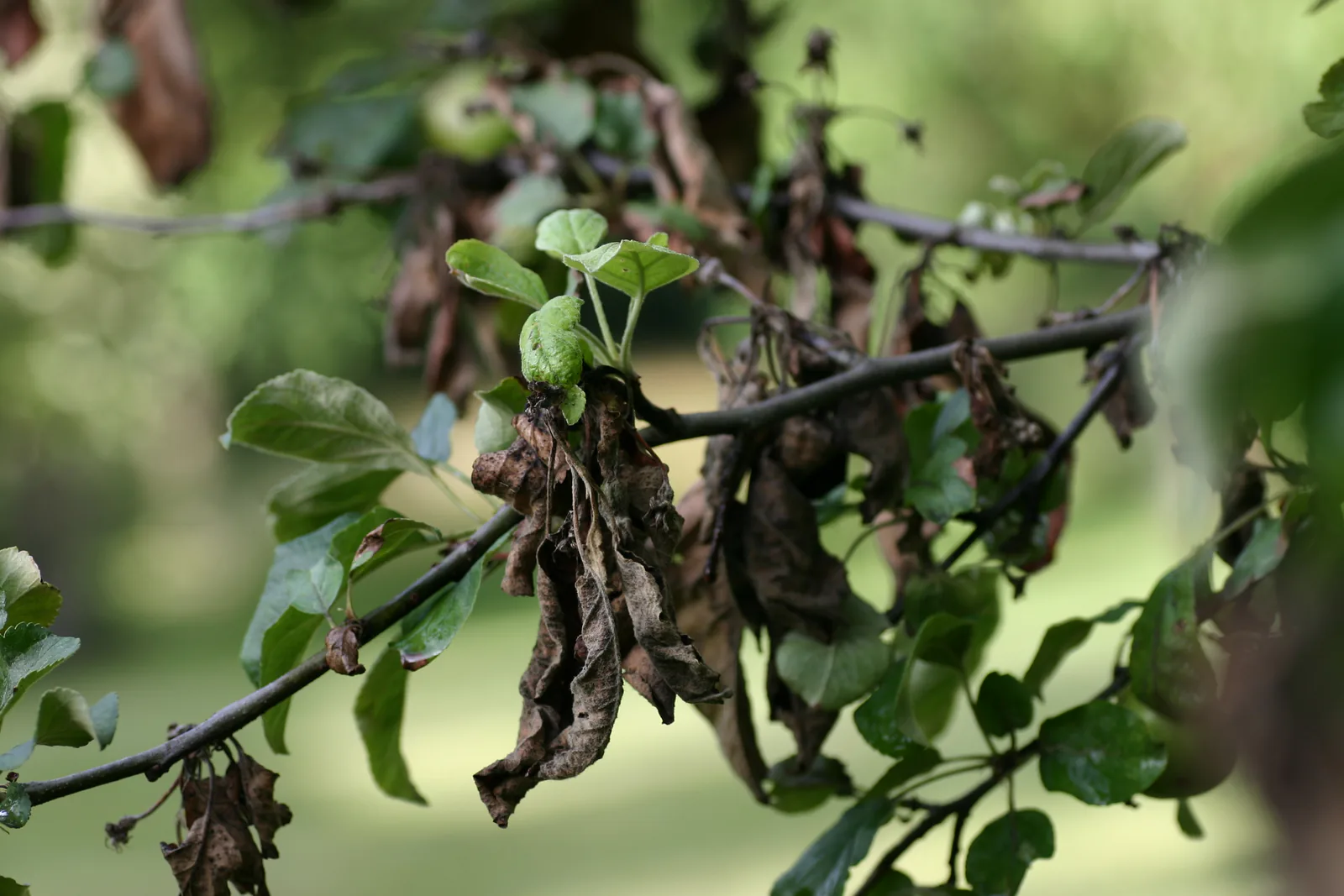
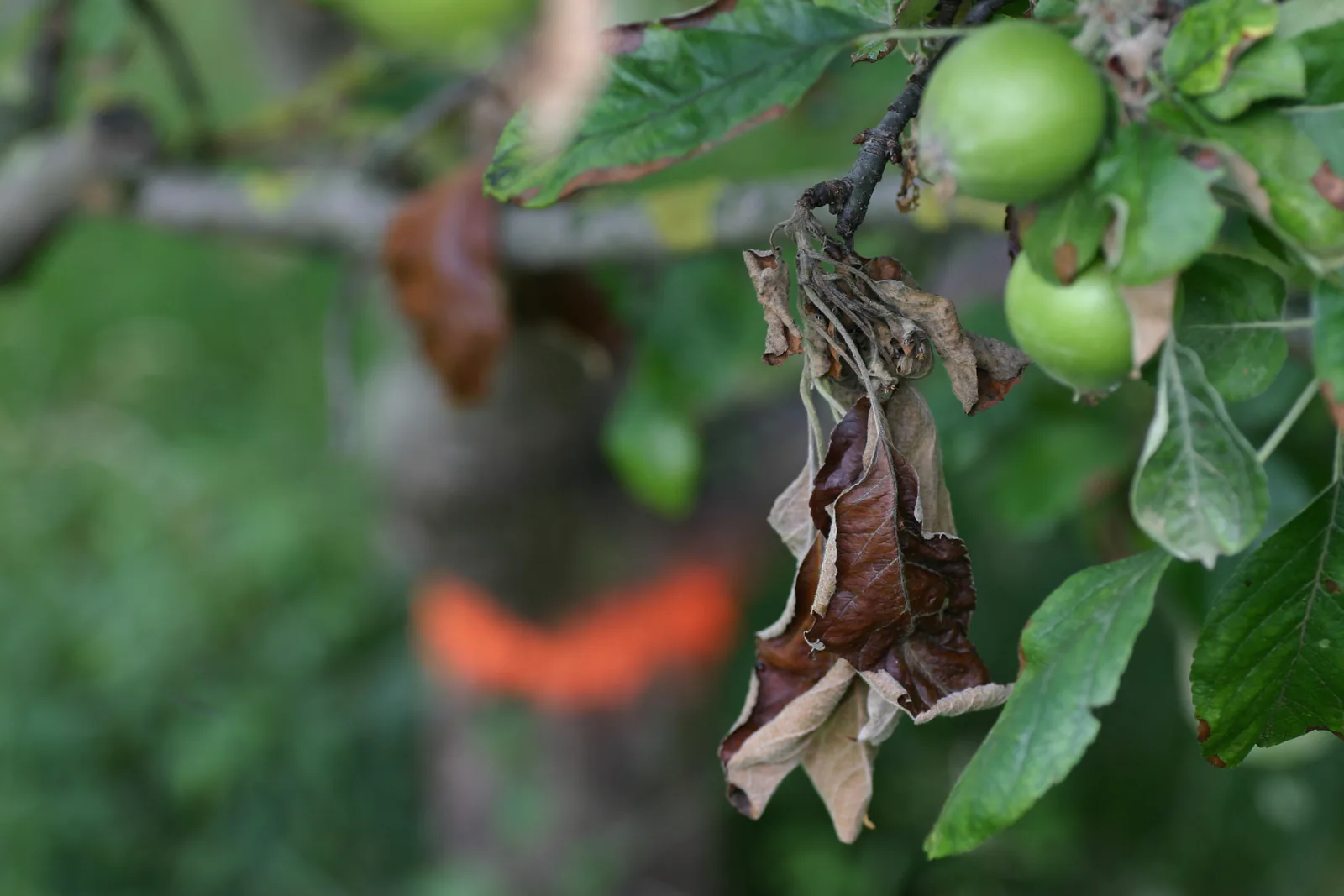
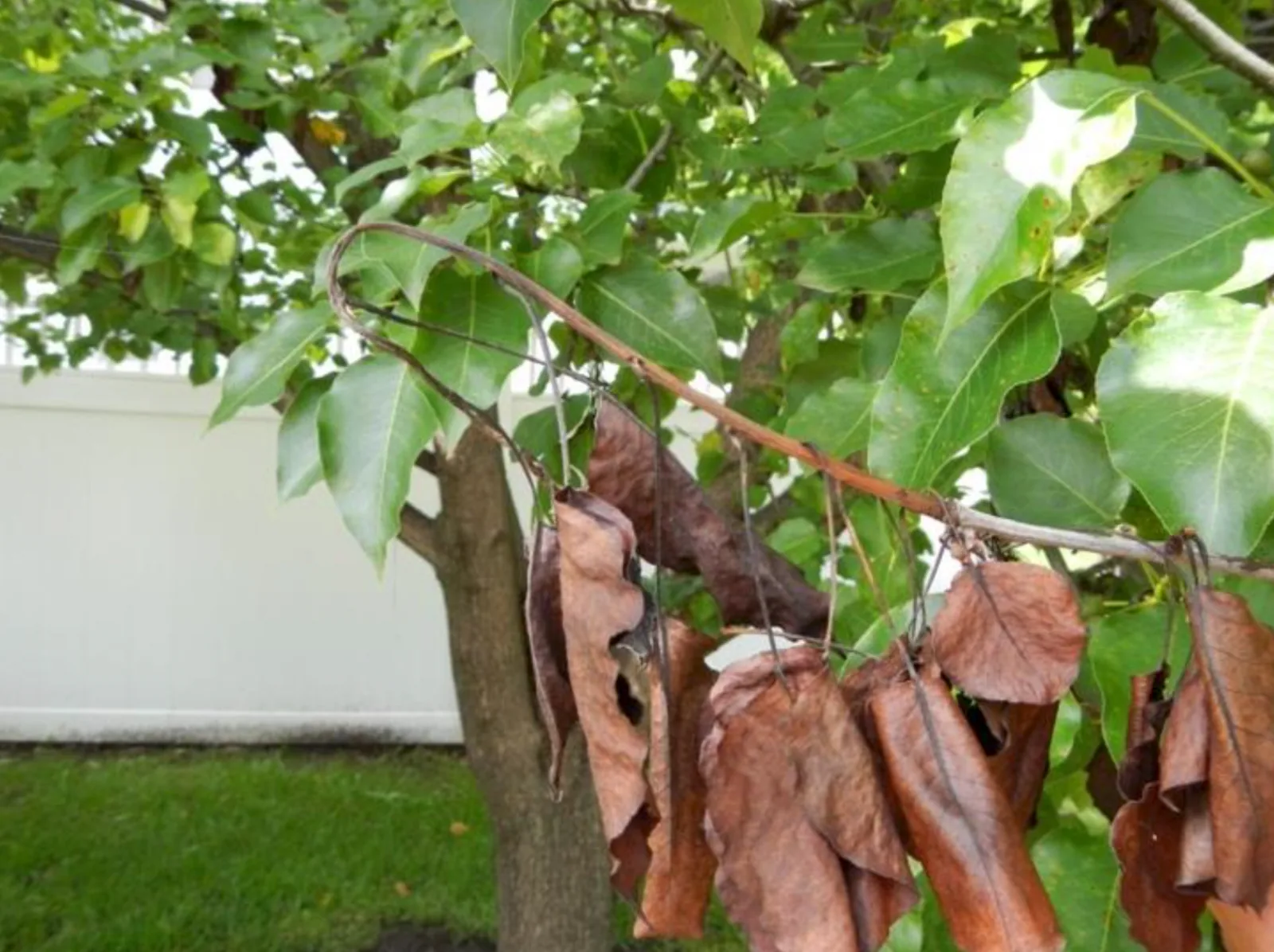
Branches look scorched but the dead leaves won't drop – this is the classic shoot blight pattern and the sooner it's cut out, the better.
Your tree had fire blight last year – annual assessment before bloom season catches cankers while they're still dormant and containable.
You pruned infected branches yourself, but the blight keeps returning – improper cuts or unsterilized tools are the most common reason for repeat infections.
A neighbor's pear or apple tree is visibly infected – fire blight spreads between adjacent trees, especially in spring when bees are active.
You can see amber ooze or dark sunken cankers forming on the trunk or main branches – infection has reached the scaffold wood and needs urgent professional attention.
Tyler walks the property, examines the affected tree, and checks neighboring trees. He'll give you a direct recommendation: targeted pruning, full removal, or a wait-and-watch plan depending on how far the infection has progressed and the time of year.
Each cut is made where the infected branch meets the next clean branch union – not partway down the wood. Tools are disinfected between every single cut. During active spring infection, we remove infected wood immediately; when the infection has stabilized, we often wait for summer or dormancy when the margins are clear.
All cut infected material is bagged and hauled off the property. It doesn't go in your compost or green-waste bin – bacteria in the clippings can reinfect through soil or water splash during the next rain.
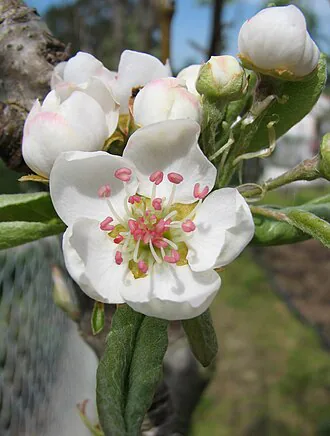
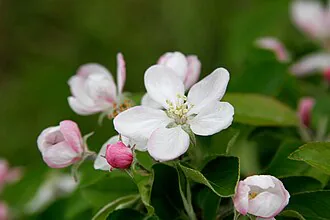
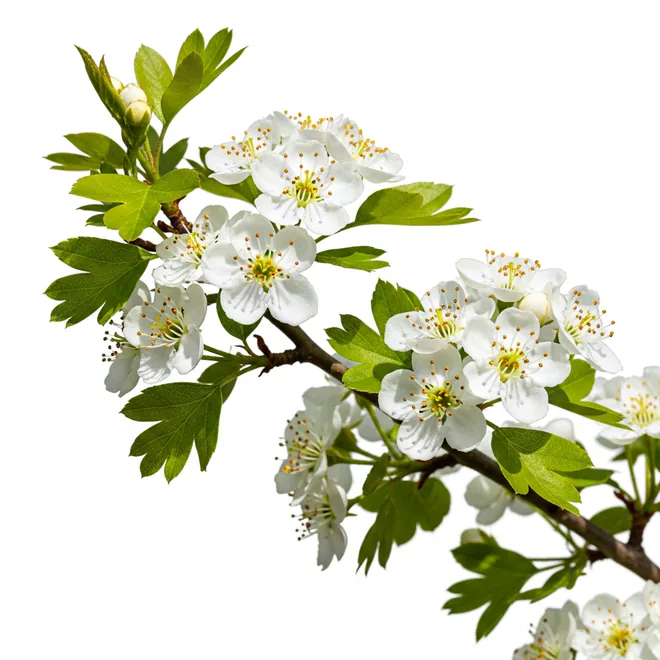
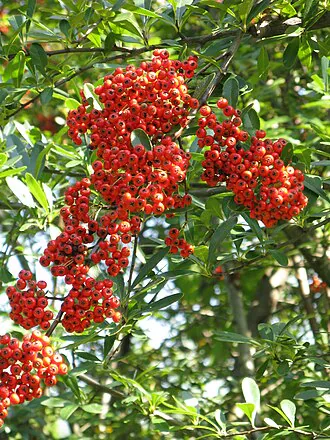
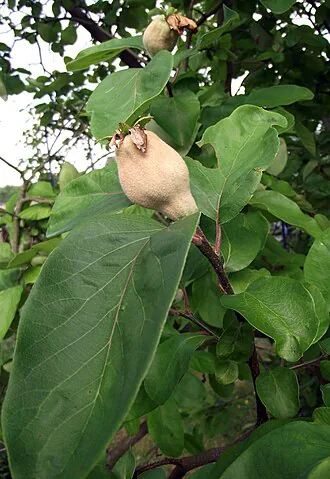
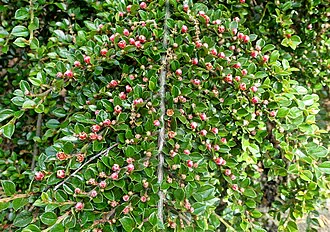
Fire blight affects all members of the rose family (Rosaceae). Common in Marin County residential landscapes:
Based in Terra Linda, San Rafael – close to where fire blight is most active this season.
Tyler's field guide covers how to identify fire blight on your tree – the shepherd's crook, the bacterial ooze, why it spreads so fast in Marin County's climate, and what the early signs look like before a branch is fully lost.
Read Tyler's field guide: Fire Blight Identification for San Rafael TreesTyler will come out, take a look, and give you a straight answer. Free estimates with same-day response across Marin County.